
The Value (and real cost) of Community Engagement to Infrastructure Projects
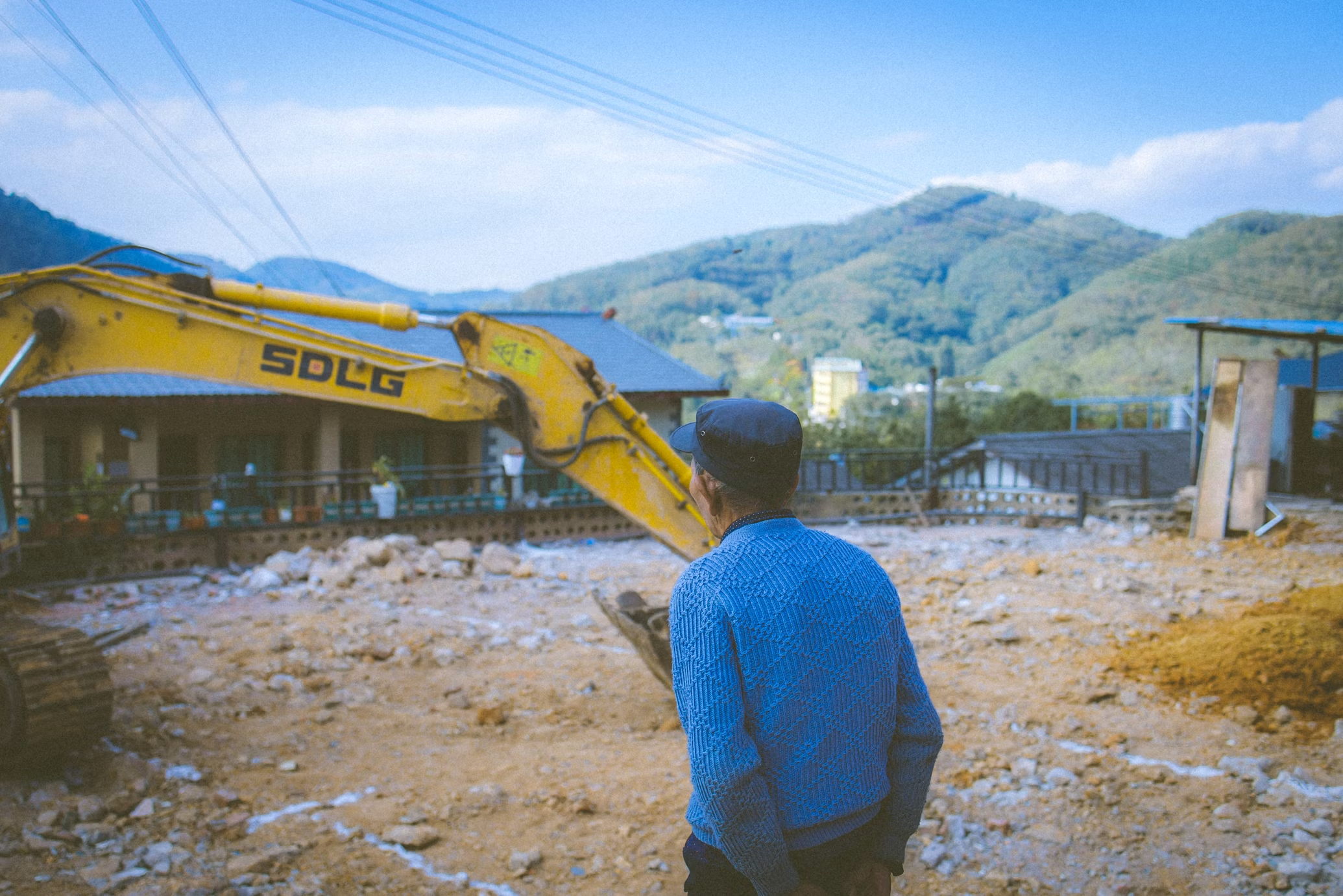
I recently saw some commentary lumping community engagement and stakeholder management into the “high costs” of infrastructure delivery, so wanted to take a moment to talk about its value when done early, efficiently, and as an embedded part of project delivery.
Community engagement is the courtesy and responsibility of not only informing people, but genuinely factoring in their needs, insights, and local knowledge.
On projects designed for public use, this is not optional, it is essential.
A simple analogy is the kitchen renovation. If you are renovating your kitchen, you meet early with a designer to share your needs, wish list, and the non-negotiables. Because you will be using the space every day, not the designer.
Cost, time, and physical constraints might mean not everything is possible, but having run through it together, you will understand the trade-offs and the rationale behind the final design.
That is what best practice community engagement is for public infrastructure: a structured, respectful process that ensures the people who live with the outcome are part of shaping it.
It doesn’t have to be overly complicated - it simply needs to meet the scope and scale of what is being proposed.
And it pays off. Projects with strong, early engagement, transparent, well-documented, and grounded in real community insight, face far fewer redesigns, delays, or cancellations due to public frustration.
Infrastructure Australia estimates that in the last decade, $20 billion worth of infrastructure projects have been cancelled as a result of community opposition.
The cost of not engaging early is almost always higher than the cost of doing it well.
So, what does value for money in engagement look like? For me, it comes down to three critical elements:
1. Embedded process + strong advocacy
Engagement is not a comms add-on. Communications help people understand, which is the first step to getting meaningful feedback, but engagement is the mechanism that brings lived experience into the design process.
When embedded early, it becomes a structured, repeatable part of the programme rather than a reactive cost.
2. Face-to-face insight and real-world understanding
Desktop assumptions don’t cut it. You simply cannot design for people you have not spent time with.
Getting on site, walking the routes, understanding how people move, access, travel, and experience a place – this is where the real insights come from.
Human-centred understanding prevents costly surprises later. This also means meeting people where they’re at (literally!) - not expecting them to come to you.
3. Elevating the role of engagement feedback
Engagement is not passive. It is proactive, evidence-based advocacy. Instead of saying, “Pedestrian access is important to stakeholders,” we need to be able to say: “45% of our customers travel via active modes, so designing for safe, continuous movement is critical.”
This is the difference between generic sentiment and actionable insight that shapes design decisions.
When we invest in community engagement, we are paying to get the work right, reduce risk, build trust, and deliver infrastructure that genuinely serves the people it is built for.
That is value for money, and it’s measurable.
